Sugar
The Sweet Inheritance
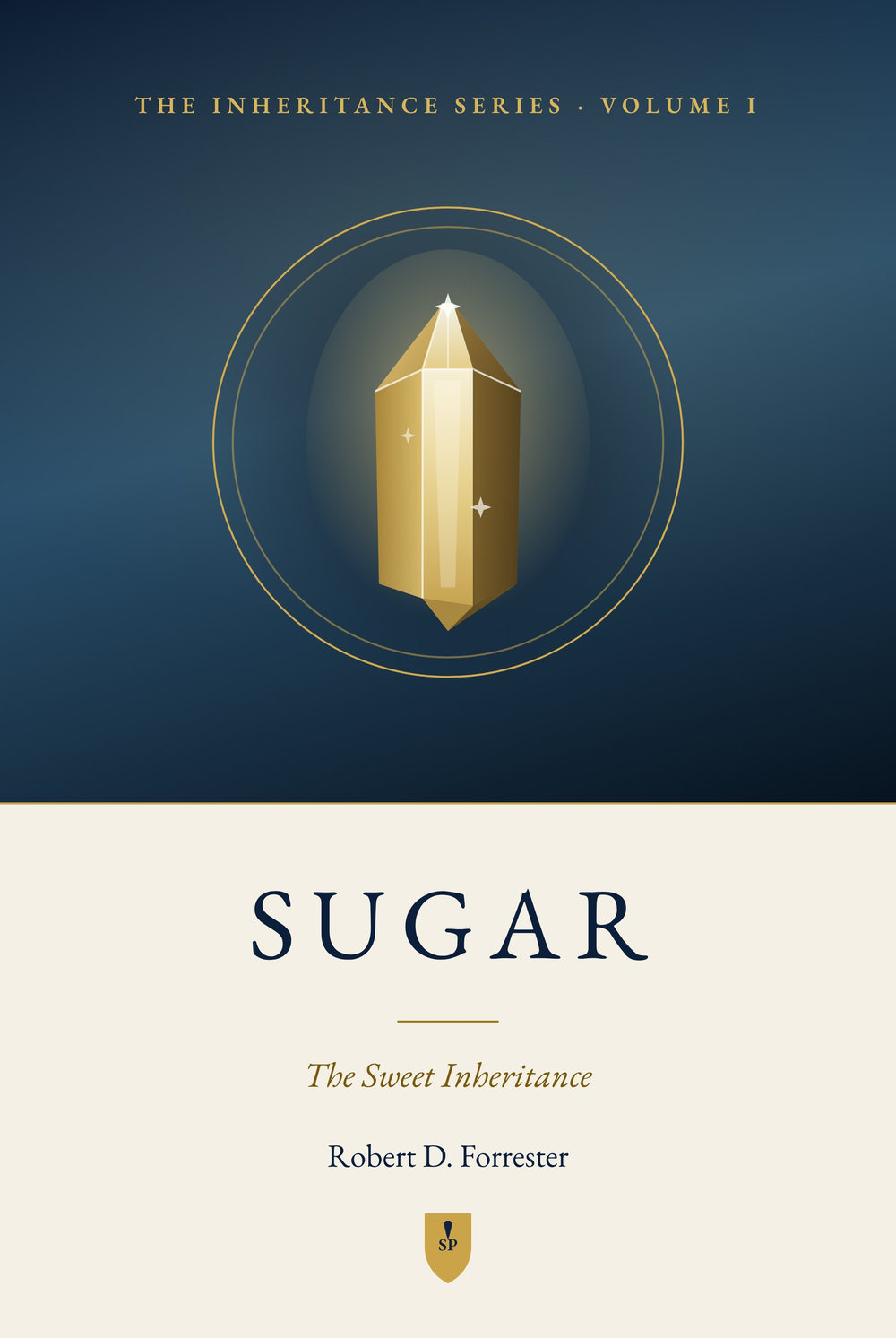
Sugar: The Sweet Inheritance is the first volume of The Inheritance Series, Robert D. Forrester’s study of the economies Guyana was handed rather than chose. It follows sugar from the Atlantic plantation to the present state industry and the white-sugar refinery announced for the closed Wales estate, and asks who holds that inheritance now.
Sugar came first. It carried empire into the Caribbean and left a country organised around a single cane. Forrester follows the crop from its origins through the Atlantic plantation system, emancipation and indenture, and the long twentieth century, to the state industry of today and the refinery now planned on the ground of a closed estate.
This is an argument, not a lament. It asks what an inheritance is (an asset, a dependency or an institution) and who ends up holding it. Every figure is sourced, and the sources are set out in full so that readers can check the work for themselves.
Get the book
Ebook — Volume I complete in one ebook. US$12.99.
Sold through Kindle and other ebook stores; store prices may vary by country.
Hardcover set — Volume I · Book One and Book Two of Two. A limited edition of 200 sewn, casebound sets. Price to be announced. Register interest
Paperback set — Volume I · Book One and Book Two of Two. Forthcoming; price to be announced.
In print, Volume I is bound as two books: Book One holds the Prologue and Parts I–III, and Book Two holds Parts IV–V. The ebook is the whole of Volume I.
For instructors
Sugar is long and evidentiary, which makes it a teaching text as much as a trade book. It fits courses in:
- Caribbean economic history and the plantation economy
- Development economics: resource states and structural transformation, in the line of W. Arthur Lewis
- The political economy of Guyana
- Post-colonial and decolonial studies: inheritance, land and naming
Discussion questions
- The book calls sugar the first inheritance. What is actually inherited: the asset, the dependency or the institution?
- GuySuCo is a subsidised grower while a foreign-anchored refiner stands to capture the margin. Who should own refining, and on what terms?
- The state carries some 8,000 wages at a spend-to-earnings ratio near 3.5 to 4 times. Is that industrial policy, social policy, or neither?
- A planter’s surname survives emancipation as a record. What does that continuity say about how colonial economies end, and whether they do?
- The 2026 target is 70,401 tonnes against a political aspiration of 100,000. How should an analyst treat the gap between a technical target and a political one?
- CARICOM’s demand for refined sugar is about three times Guyana’s entire raw output. Does the refinery rescue the cane, or detach from it?
Instructor note: the book doubles as its own apparatus. Its sourcing lets a class check claims against the primary record, reading a state figure, an opposition figure and a company figure against one another. Pair the thesis chapter with Chapter 21 for a single session, or assign the full text for a term.
Adoption
Students can buy the ebook (US$12.99). Libraries can take the hardcover set once it is priced. For course, bulk and institutional orders, write to publisher@thesovereignpressgy.com for a quotation.
Lecturers who assign Sugar for a course may request a free ebook copy, one per course. Write to publisher@thesovereignpressgy.com with the course and institution.
Production
- SeriesThe Inheritance Series, Volume I
- ISBN (ebook)978-976-8369-04-8
- Trim138 × 206 mm (print editions)
- TypefaceEB Garamond
- ImprintThe Sovereign Press, Georgetown — an imprint of The Forrester Group (Guyana), Inc.
Contact
The Sovereign Press·publisher@thesovereignpressgy.com·Tel +592-683-5373·WhatsApp +592-621-0224